If I hear one more person say that a NASCAR driver "just sits there," I’m going to lose my mind. I’ve spent 11 years in the garage area, sweating through fire suits, watching pit crews cycle through 45-minute drill sessions, and tracking heart-rate monitors that look more like an ECG trace during an emergency room visit than a "passive" sport. Let’s get one thing straight: racing isn’t sitting. It’s a 36-race-per-year grind involving extreme G-forces, heat soak that can push cockpit temperatures over 130°F, and a level of cardiovascular strain that would leave most weekend warriors gasping for air.
When you’re operating at that limit, recovery isn’t a luxury—it’s a performance requirement. That’s where the industry has pivoted toward cannabidiol (CBD). But before you start dosing, let’s cut through the "detox" and "miracle cure" nonsense. I’ve seen enough snake oil in the pits to last a lifetime. Here is how CBD actually interacts with the body, explained in plain English, and why you need to hold every brand accountable.
What is the Endocannabinoid System (ECS)?
Think of the endocannabinoid system as the body’s master regulator. It’s not just for people who want to chill out; it is a complex signaling network that spans your entire nervous system. Its primary job is homeostasis—keeping your internal environment stable despite the absolute chaos of the external environment.
Your body naturally produces endocannabinoids. When you’re dealing with the massive inflammatory response from a weekend of high G-forces in an IndyCar cockpit or the sleep-deprived fatigue of back-to-back race weekends, your ECS is working overtime to mitigate those stressors. CBD doesn’t "fix" you; it interacts with the ECS to encourage it to do its job more effectively, specifically by preventing the breakdown of your body's own cannabinoids.
Racing Realities: Why Your Body is Under Siege
If you're a driver or a crew member, your "stress response" is always redlined. Consider the physical toll of a standard NASCAR weekend:
- Heat and Dehydration: You aren't just losing water; you’re losing electrolytes and cognitive function at 180 mph. Neck Load: F1 and IndyCar drivers deal with massive lateral G-forces. The strain on the cervical spine is cumulative and immense. Travel Fatigue: Trying to reset your circadian rhythm when you’re finishing a flight at 3:00 AM on a Monday, only to be back in the shop for film review by 8:00 AM.
This is where the CBD stress response comes into play. Research published in The Permanente Journal has suggested that CBD can influence the receptors involved in anxiety and stress regulation. For a driver sitting on the grid, or a crew chief dealing with a disastrous qualifying run, it’s not about getting "high." It’s about potentially dampening the hyper-arousal of the sympathetic nervous system, helping the body return to a baseline state faster.
CBD and the Sleep Cycle: The Post-Race Recovery
Sleep is the most potent performance-enhancing tool in the garage, yet it’s the one we neglect the most. Between post-race debriefs that roll into the early hours of Monday morning and the constant buzzing of adrenaline, "rest" is hard to come advanced motorsports recovery science by. The CBD sleep cycle interaction is one of the most promising areas for racing personnel. By supporting the ECS, CBD may help modulate the body's internal clock and reduce the "racing mind" phenomenon that keeps you staring at the ceiling of a hotel room two hours after the checkered flag drops.
The "Non-Negotiables": Third-Party Lab Testing and COAs
Here is where I get grumpy. In the motorsports world, if a part doesn't have a spec sheet, it doesn't go on the car. Why would you put a supplement in your body without the same rigor? If a brand cannot provide a current Certificate of Analysis (COA), throw it in the trash.
A COA is the only way to verify that what is in the bottle is what’s on the label. I’ve seen far too many "wellness" products that claim to be pure but are contaminated with heavy metals or, worse, THC concentrations that could pop a drug screen. Even if you aren't under World Anti-Doping Agency (WADA) testing, you still have an obligation to your own health.
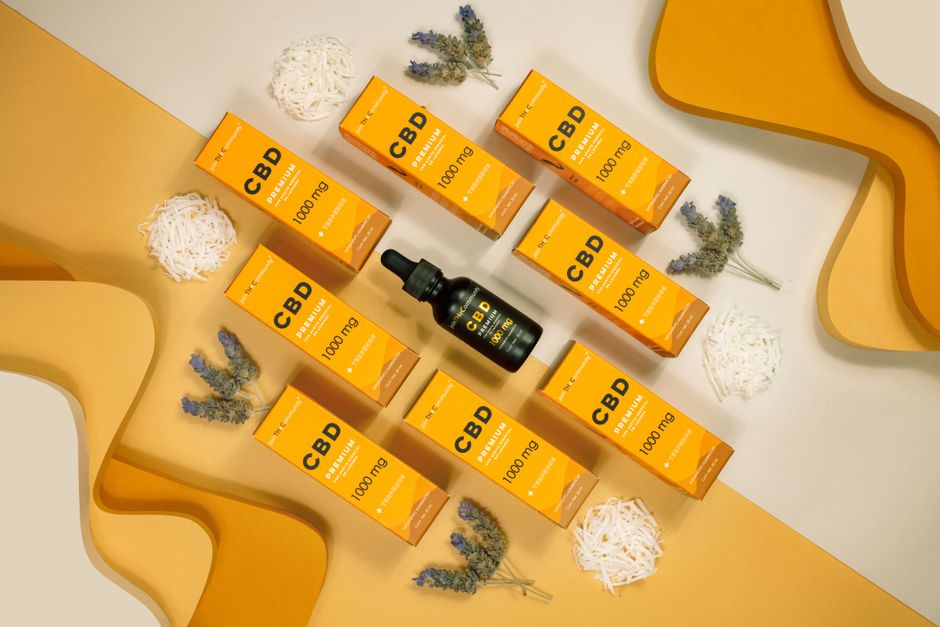
Companies like Joy Organics have set a better standard by providing transparent third-party lab testing that is easily accessible. If a company hides their COA behind a "contact us" form or doesn't have one at all, they are hiding something. Do not trust "hand-wavy" marketing—look at the data.

Comparative Analysis: What to Look For
When you're comparing products, use this checklist before you spend your hard-earned race purse money:
Feature Why it Matters in the Garage Third-Party COA Verifies potency and purity; non-negotiable. THC Content Vital for anyone subject to workplace drug screening. Extraction Method CO2 extraction is the industry standard for safety. Ingredients List Avoid "detox" fillers; focus on simple, clean formulations.Final Word: Reality Check
Look, I love the sport, and I love seeing us prioritize human performance as much as we prioritize engine longevity. CBD can be a tool in your recovery toolkit, but it isn't a replacement for proper hydration, physical therapy, or actual sleep. If you're going to use it, treat it with the same respect you’d treat a high-end suspension component.
Check the label. Verify the COA for the specific batch number. Monitor how your body responds over a 15 to 45-minute window after intake. Consult your team physician if you are under professional athletic governing body oversight (WADA, etc.).The race is won in the details—both in the car and in your own biochemistry. Stay sharp, stay hydrated, and for heaven's sake, read the lab reports.