Whether you're lining up on the grid for your first lap, readying yourself at the start line of a marathon, or about to give a critical presentation, those minutes before https://reliabless.com/why-breathing-exercises-dont-fix-my-anxiety-long-term/ the action can be a whirlwind of anticipation and worry. This anticipatory worry—often a mix of excitement and anxiety—can either sharpen your focus or sabotage your performance. Understanding how routines help reduce this worry is key to hitting your performance sweet spot.
The Science of Worry and Performance: Understanding the Inverted-U Arousal Curve
One of the foundational models in sports psychology and performance science is the Inverted-U Arousal Curve. It illustrates how arousal (or physiological activation) impacts performance. Too little arousal leads to underperformance View website from disengagement or boredom; too much arousal triggers stress and mistakes. Optimal performance sits in a 'performance band'—a zone of heightened but manageable arousal.
Arousal Level Performance Typical State Low Poor Disinterest, lethargy Moderate (Optimal) High (Performance Band) Focused, alert High Poor Overwhelm, excessive worryThe tricky bit lies in tuning your arousal to that sweet spot—especially in the immediate pre-event period when worry often peaks. This is where pre-event routines come in.
Pre-Session Routines: Managing Working Memory to Reduce Anticipatory Worry
At their core, routines serve as a working-memory management tool. Your working memory is a limited-capacity system responsible for temporarily holding information available for processing. When worry takes over, it clogs this workspace with "what-ifs," "what-abouts," and negative self-talk. The result? Diminished focus and poorer execution.

By engaging in a predictable, familiar routine that occupies your working memory, you effectively crowd out worry-inducing thoughts. This concept is supported by cognitive psychology: the act of going through a set sequence—whether it’s checking tire pressures on a bike, tightening your helmet strap, or mentally running through a cue word—anchors your attention on a task-focused process, rather than on outcome uncertainties.
The Association Effect: Creating a Predictable State
This process creates an association effect where the routine itself becomes a cue for a calm, prepared mental state. Over repeated trials, the brain learns that this sequence precedes strong, composed performance. This predictable state functions like a mental autopilot that guards against intrusive worry.
- Example from Motorsport: Drivers often have a ritual of visually scanning mirrors, adjusting gloves, or touching the steering wheel in the precise sequence before lights out. Example from Public Speaking: Some speakers tap their notes in a set rhythm or hum a familiar tune quietly backstage.
These cues are external, tangible actions or sensory inputs that help stabilise internal mental states by occupying the working memory.
Breathing Techniques: Quick Physiological Shifts with Extended-Exhale
While routines help mentally, physiological arousal also drives how worry manifests physically. The GOV.UK guidance page on managing stress and anxiety highlights breathing control as a rapid and effective way to shift your body from a sympathetic "fight-or-flight" mode into a calmer parasympathetic state.
A simple but powerful method is extended-exhale breathing. By lengthening the exhale to be longer than the inhale (for example, inhaling 3 seconds, exhaling 5), you activate your parasympathetic nervous system, dropping heart rate and muscle tension quickly.
When layered into your routine, extended-exhale breathing becomes a double-action tool—helping to occupy working memory with controlled breath awareness and simultaneously downregulating physiological arousal that fuels worry.
External Process-Focused Attention vs Outcome Focus: Why Mindset Matters
One principle consistently emphasised by driver coaches and sports psychologists is the importance of process-focused attention rather than obsessing over the outcome. In those final minutes, focusing on the small, controllable steps (e.g., foot positioning, clutch feel, body posture) helps keep your mind anchored in the present task.
Outcome-focused thinking ('I must win,' 'Don’t mess up') tends to fuel worry and cause mental chatter which overloads your working memory. Conversely, process-focused routines provide clear, external targets easy enough to occupy working memory and clear the mind of non-productive worry.
Integrating It All: Sample Pre-Race Routine to Reduce Worry
Check essential equipment in precise order, mentally labelling each step. Take three extended-exhale breaths, focusing solely on the sound and length of your breath. Run a quick mental checklist of process cues (clutch bite point, pedal feel). Set a simple cue word or phrase that signals calm readiness (e.g., “steady,” “focused”). Visualise executing these steps smoothly without fixating on results.Routines like this create a feedback loop: the repetition solidifies the association effect, breathing controls the physiological state, and process cues lock focus externally—together reducing anticipatory worry effectively.
Sharing and Spreading These Insights
If you found this breakdown helpful, consider sharing it on your social platforms to help fellow racers, athletes, and performers:
- Facebook - Great for connecting with friends and communities who'd appreciate evidence-based tips. Twitter/X - Ideal for quick sharing with hashtags like #PerformancePsychology #TrackDayTips. Reddit - Share in specialized subs like r/motorsports, r/sportspsychology, or r/motivation. LinkedIn - Professional angle for coaches, trainers, and team managers. Pinterest - Visual summary of routines and breathing exercises.
Conclusion: The Power of Predictability and Focus in Managing Pre-Event Worry
To sum up: Routines reduce anticipatory worry by occupying your limited working memory with a familiar, tangible sequence of actions that create a predictable mental state. Combined with physiological downregulation tools like extended-exhale breathing and maintaining an external, process-focused attention, you lower unhelpful arousal and sharpen focus for optimal performance.
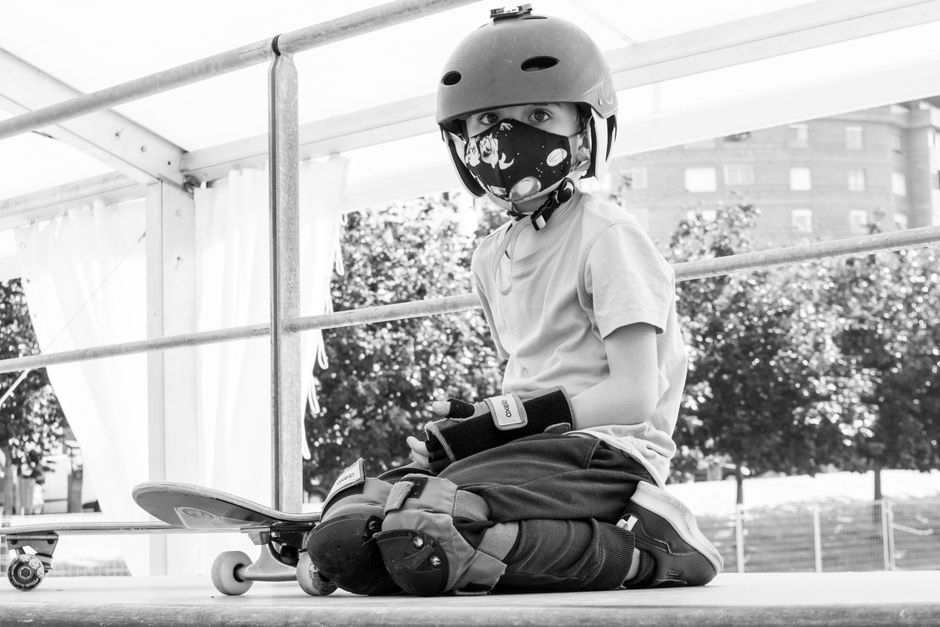
So the next time you’ve got just two minutes before the event starts, ask yourself: “What am I doing right now to create a calm, focused, predictable state?” That simple mindset shift, backed by routine and breathing, can transform nerves into controlled energy.
For more evidence-based tips and insights delivered in straightforward language that respects your experience, keep following this blog. And remember—it’s the process, not the miracle fix, that builds consistency and drives success.